Live in five steps.
Three to six weeks.
Standard engagement is three to six weeks from systems assessment to live operator portal. Each step is independently scoped — you can pause, expand, or accelerate. Click any step below to see what happens.
Systems assessment
We start by mapping your facility as a system, not a list of zones. We document the workflow patterns, identify heat sources, audit existing data infrastructure (SCADA, ERP, HRIS, CMMS), and produce a written engagement scope before any instruments are shipped. Delivered as a site visit or remote session. No retainer or commitment required to start.
DELIVERABLES · 4 ITEMS
- Zone topology map (PDF + GeoJSON)
- Heat source inventory by zone
- Existing data infrastructure audit
- Engagement scope letter with timeline
Instrument configuration
Wearables selected and issued per worker type (matched to ACGIH metabolic rate categories). Ground sensor stations placed per zone at breathing-zone height. Drone flight scheduled for baseline thermal map. Satellite Landsat 8/9 baseline pulled for the prior 5 years. API connections to SCADA / ERP / CMMS configured and tested.
DELIVERABLES · 4 ITEMS
- EQP-WBT-01 wearables issued per worker
- EQP-GND-03 ground station placement plan
- EQP-DRN-02 flight log + GeoTIFF outputs
- EQP-SAT-04 5-year baseline analysis
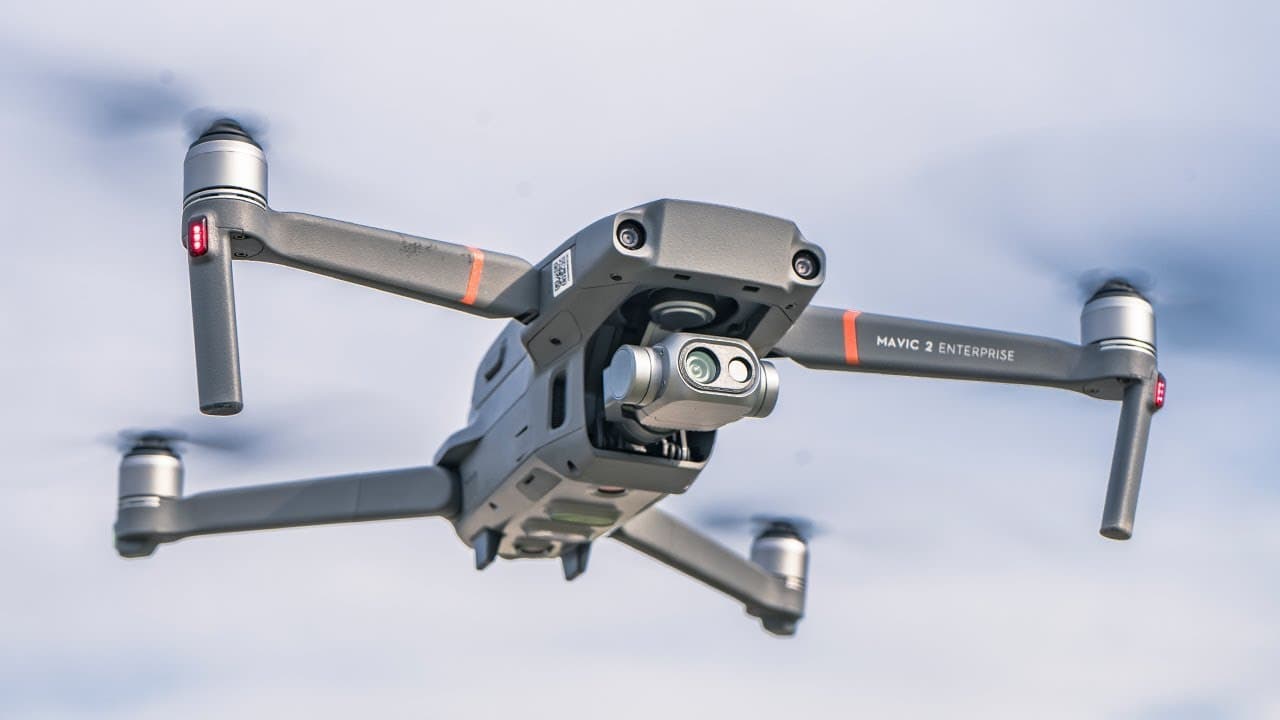
Survey
DJI Mavic 2 thermal mission. Grid pattern, 30m AGL. Full-facility heat anomaly map. Sub-meter resolution.
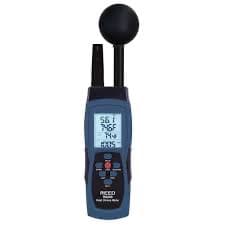
Ground truth
Handheld WBGT at every zone. BlueMaestro continuous sensors. ACGIH 2023 compliant. Verified against drone data.
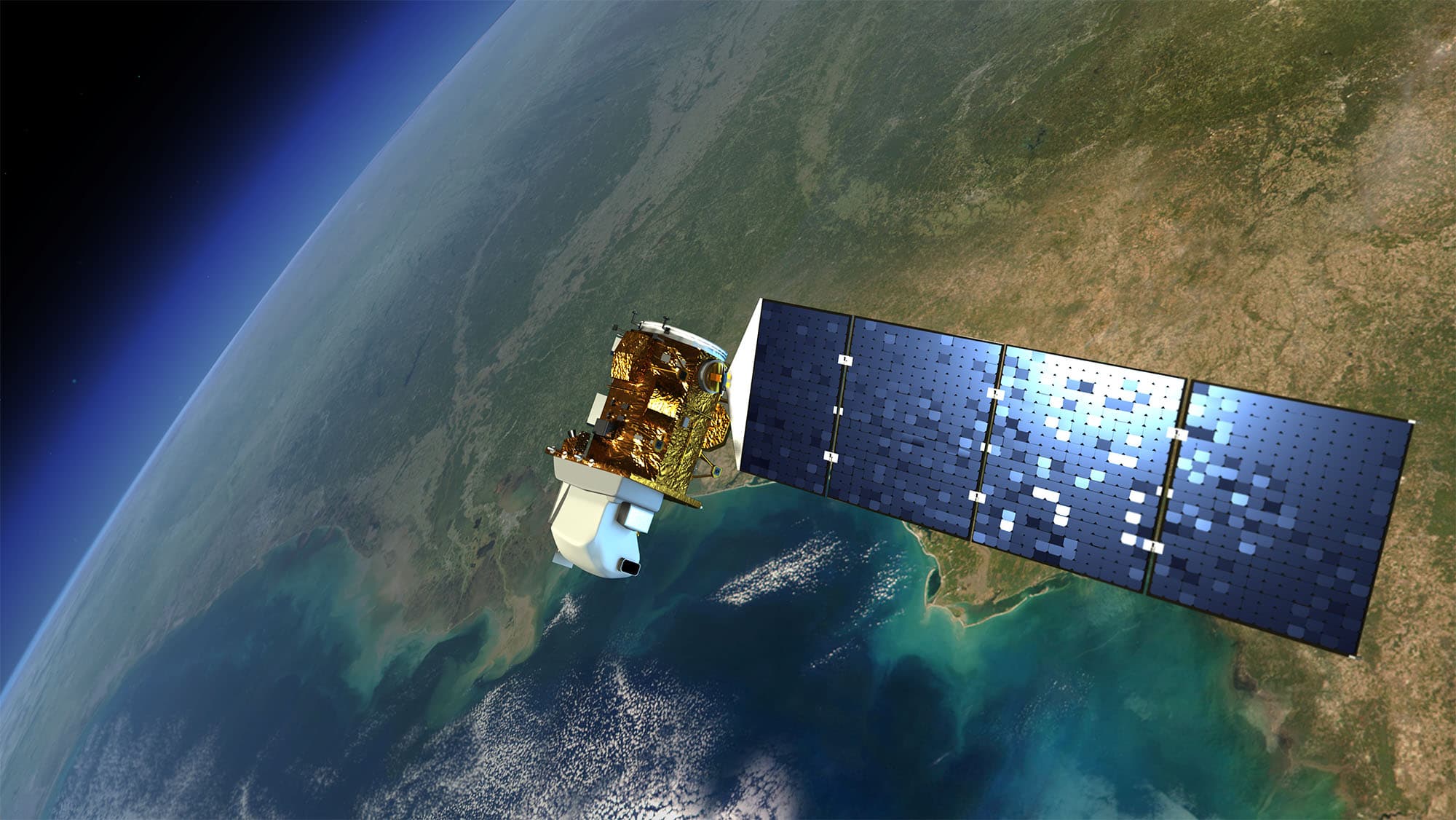
Satellite drift
Landsat 8/9 thermal Band 10 time-series. 5-year drift baseline. Macro context for current readings.

Model + Report
Regression model trained against ground truth. R² > 0.95 validated. Mitigation pathways ranked by ROI. Branded engineering report.
Duration
3-4 weeks
On-site days
4-6
From
$450
Typical ROI
3-6 mo
Digital twin calibration
The LinkedTIERRA AI engine learns your facility's thermal patterns across a 2-week baseline period. Regression model trained against ground-truth WBGT readings. Zone thresholds set to ACGIH TLV-WBGT standards adjusted for your work-rate categories. Role-based alert routing configured. Model validated against held-out data — we publish the R² so you can audit the fit.
DELIVERABLES · 4 ITEMS
- Per-zone baseline thermal model
- ACGIH threshold configuration matrix
- Alert routing per role (FM · EHS · Ops)
- Validation report · R² > 0.95 typical
DIAGNOSTIC METHODOLOGY
SURVEY · GROUND · SATELLITE · MODEL
−47%
Heat risk reduction
WBGT VARIANCE · 10 ZONES
BEFORE / AFTER · HOU-01 · °C
Portal activation
LinkedTIERRA Live goes live. Role-based access provisioned for facility manager, EHS director, and operations VP — each role sees the data shaped for their decisions. 2-hour training session delivered on-site or remote. Operator runbook + escalation playbook handed off. All stakeholders onboarded before go-live.
DELIVERABLES · 4 ITEMS
- 3 role-based dashboards provisioned
- Stakeholder access + audit logging
- 2-hour training session (on-site or remote)
- Operator runbook + escalation playbook
L4 · OPERATOR
LIVELinkedTIERRA Live Thermal
The portal · 3 role-based views
Live dashboard for facility manager, EHS director, and operations VP. Real-time heat map, anomaly alerts, twin model, OSHA-ready compliance log.
L3 · INFERENCE
PRODThermal AI · Predictive Twin
Inference engine
Regression and time-series models — trained per facility, validated R² > 0.95. Anomaly detection, hot-spot forecasting, scenario simulation.
L2 · AGGREGATION
PRODEdge Gateway
Aggregation + buffer
Encrypted MQTT broker on hardened endpoints. Battery-aware. Offline buffer ensures no telemetry loss during connectivity gaps.
L1 · INGEST
INPUTField Instruments
6 sensor categories
Worker wearables · WBGT ground stations · drone thermal · satellite imagery · environmental ambient · SCADA / enterprise system connectors.
Layers
4
Latency end-to-end
<30s
Uptime SLA
99.7%
Buffer
72h offline
Continuous intelligence
Real-time monitoring. Automatic anomaly alerts routed to the right people by role. Monthly compliance reports delivered as branded PDFs ready for OSHA submission. Quarterly drone re-survey. Annual satellite drift analysis. The system improves as data accumulates — by month 6, predictions are typically 12-18% more accurate than at go-live.
DELIVERABLES · 4 ITEMS
- Live anomaly stream + alert routing
- Monthly compliance PDFs (OSHA-ready)
- Quarterly drone re-survey
- Annual satellite drift report
Peak surface
58°C
↑ Zone A
WBGT avg
31.2°C
↑ +3.2 over ACGIH
Model R²
0.98
Validated
Zones
12/12
All reporting
Zone A exceeded threshold — 58°C peak
14:32 · 2 min ago
Zone C trending warm — predicted 49°C
14:28 · 6 min ago
Cooling intervention Zone B — effective
13:55 · 39 min ago
We start by mapping your facility as a system, not a list of zones. We document the workflow patterns, identify heat sources, audit existing data infrastructure (SCADA, ERP, HRIS, CMMS), and produce a written engagement scope before any instruments are shipped. Delivered as a site visit or remote session. No retainer or commitment required to start.
DELIVERABLES
- Zone topology map (PDF + GeoJSON)
- Heat source inventory by zone
- Existing data infrastructure audit
- Engagement scope letter with timeline
Every measurement traces back.
Every model is validated.
We bring Lean Six Sigma engineering rigor to thermal diagnostics. Every reading is calibrated, every model is validated against held-out data, and every recommendation includes a rollback plan. We publish the R² so you can audit the fit. We document instrument calibration so OSHA can audit the trail.
◉ Measure
Calibrated instruments
NIST-traceable WBGT meters, FLIR-certified drone thermal, BlueMaestro sensors at ACGIH-compliant placement. Every reading auditable.
6
Instrument types
◉ Model
Validated regression
Trained against ground-truth WBGT, validated on 20% held-out data. We publish R², MAE, and confidence intervals — not just headline accuracy.
0.95+
Typical R²
◉ Act
Reversible recommendations
Every intervention has a rollback plan. Every recommendation ranked by ROI. Engineering decisions, not consultant opinions.
100%
Rollback plans
DIAGNOSTIC METHODOLOGY
SURVEY · GROUND · SATELLITE · MODEL
−47%
Heat risk reduction
WBGT VARIANCE · 10 ZONES
BEFORE / AFTER · HOU-01 · °C
Built to satisfy the auditor,
not just the buyer.
The same documentation that drives our compliance reports is what your OSHA inspector wants to see. We don't generate it after the fact — it's the audit trail built into the system from day one.
ACGIH TLV-WBGT
Work-rest regimens per metabolic rate category. Threshold matrix configured per zone.
OSHA General Duty
Heat illness prevention documentation. Audit trail with timestamps, instrument IDs, and signed events.
NIOSH REL
Occupational heat exposure limits. Worker acclimatization tracking for new hires and shift changes.
ISO 7243:2017
Hot environments WBGT index — international standard for heat-stress assessment in workplaces.
AUDIT TRAIL · BUILT-IN
Every WBGT reading, every alert, every intervention is timestamped, instrument-attributed, and signed. Export-ready for OSHA inspections, insurance audits, or internal review. We hand off the documentation methodology so your EHS team can defend the data without us in the room.
The engagement doesn't end at go-live.
Real industrial deployments need maintenance, recalibration, and re-validation. Our continuous-intelligence plan covers all of it — and the model gets sharper with every season.
<30s
Alert response
+18%@ 6mo
Model improvement
99.7%
Uptime SLA
Q/Yquarterly
Drone re-survey
◉ Continuous deliverables
Real-time WBGT alerts
Routed to the right role at the right threshold
Monthly compliance reports
OSHA-ready PDFs — no manual logging required
Quarterly aerial thermal survey
Track seasonal heat accumulation patterns
Annual 5-year satellite drift
Confirms current readings against macro trend
Dedicated support engineer
Same engineer through engagement — not a ticket queue
Model retraining as data accumulates
Predictions improve with every season of data
You're three weeks from
a working thermal model.
We start every engagement the same way: a 20-minute call to diagnose your environment, scope the right instruments, and outline the engineering path. No retainer to begin.